Treatments
PRP for skin and hair: evidence and expectations
PRP uses plasma prepared from your own blood. Evidence differs between skin and hair uses, protocols vary, and a consultation should make those limits clear.
This article provides general educational information only. It is not a diagnosis, personal medical advice or a substitute for assessment by an appropriate regulated health professional.
Platelet-rich plasma, usually shortened to PRP, is prepared from a small sample of your blood. Centrifugation separates a platelet-containing portion of plasma, which is then injected or used with another procedure according to the treatment plan.
Using your own blood does not make PRP risk-free, and the same evidence does not apply to every proposed use.
Evidence for hair concerns
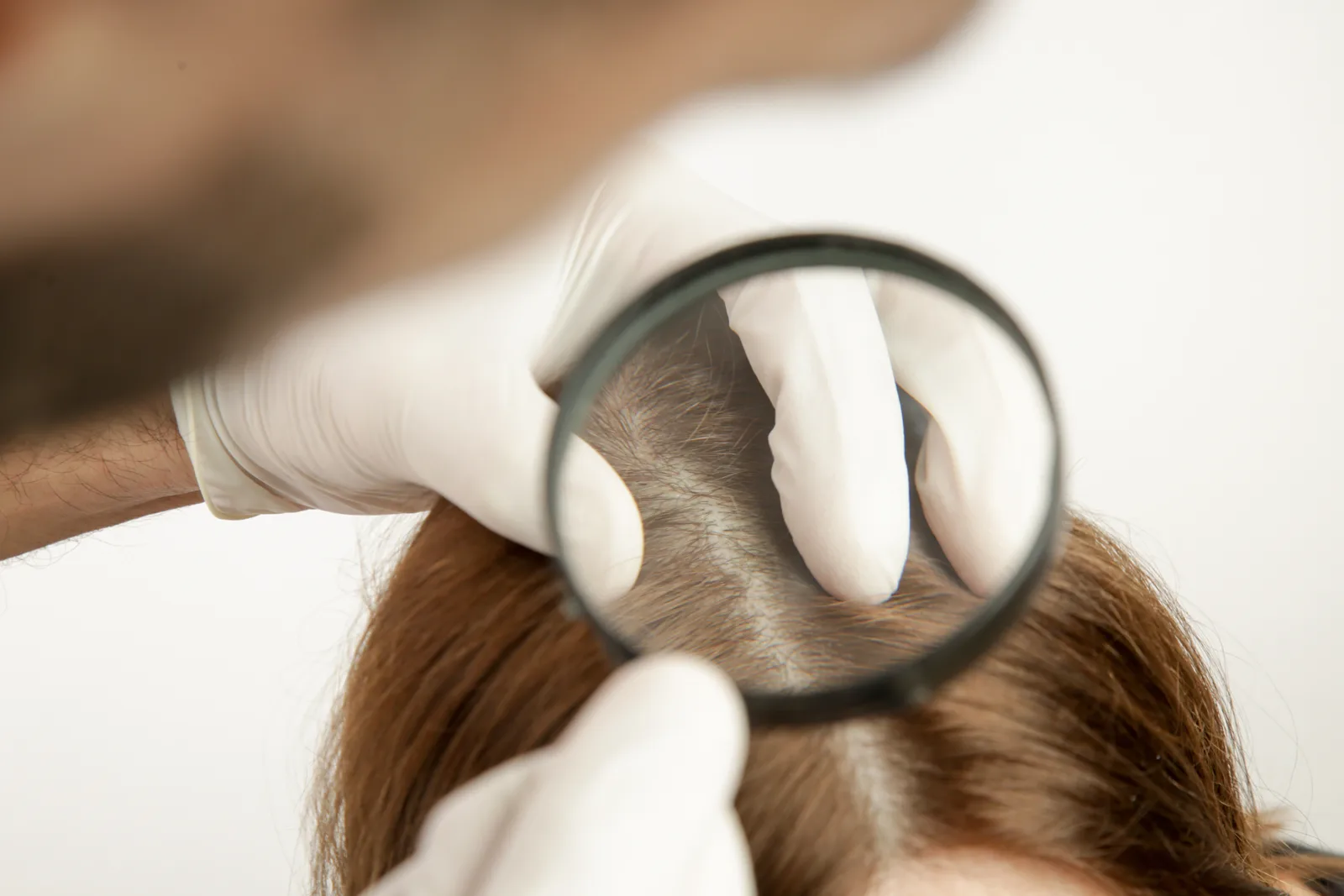
Research has most often examined PRP for androgenetic, or pattern, hair loss. Reviews of randomized trials report a possible increase in hair density for some patients, but study protocols differ in preparation method, dose, injection pattern, number of sessions and follow-up.
PRP does not address every cause of hair loss. Sudden shedding, patchy loss, scalp inflammation or hair change linked to illness, nutrition, hormones or medicines may need investigation or a different care pathway before aesthetic treatment is considered.
Evidence for facial skin
Studies of PRP for facial skin use varied preparations and often combine PRP with microneedling, laser or other treatments. An overview of systematic reviews found low or very low certainty for many facial-rejuvenation outcomes, with inconsistent methods and limited adverse-event reporting. That means PRP should be discussed as an option with uncertain magnitude of benefit, not as a proven way to regenerate or replace younger skin.
What treatment involves
The appointment includes a medical assessment, blood draw, preparation and injections or application with microneedling if that combination has been agreed. Pain, bruising, swelling, redness, pinpoint bleeding, headache and temporary tenderness can occur. Infection is possible whenever skin is broken. Some people see no meaningful improvement despite completing a course.
Compare the plan with the evidence
Ask which concern is being treated, how response will be measured, how many sessions are proposed, what maintenance may involve and when continuing would no longer be worthwhile. For hair loss, ask whether the pattern has been adequately assessed. For skin, ask whether any apparent benefit could come from a combined procedure rather than PRP alone.
Dr Sundeep Varma assesses and provides all PRP treatment at London & Glow. A plan for skin and a plan for hair are separate clinical decisions.