Skin Science
Chemical peels: choosing an appropriate depth
Peel depth changes both the likely effect and the recovery burden. Appropriate selection depends on the product, skin, goal and risk of pigment change.
This article provides general educational information only. It is not a diagnosis or a substitute for medical assessment. Product and treatment suitability varies by person.
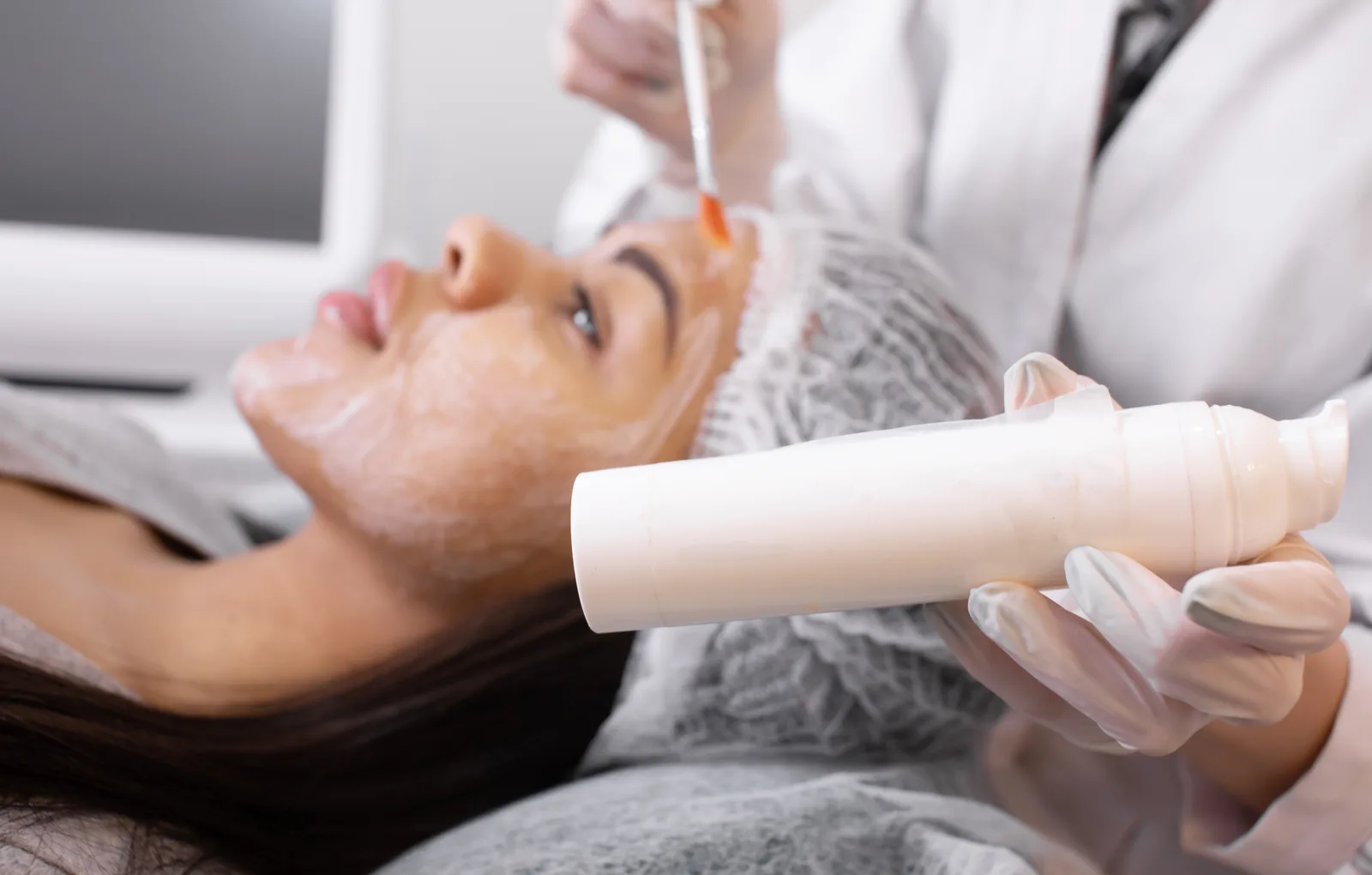
A chemical peel applies a selected acidic solution to produce controlled exfoliation. Peels are commonly described as superficial, medium-depth or deep according to how far their effect reaches. That classification matters because a deeper injury can mean more recovery and a greater risk of complications.
London & Glow offers personalised non-prescription surface peel treatments selected around your skin, goals and preferred level of recovery.
What determines depth
The name of an acid is only part of the answer. Concentration, pH, formulation, number of coats, time on the skin, preparation and the condition of the skin all influence the response. Visible sheets of peeling are not required for a treatment to have an effect.
A consultation should review sensitivity, eczema or dermatitis, active infection, cold sores, recent procedures, current products, medicines, scarring history, pregnancy where relevant, and previous pigment change. A new or changing pigmented lesion needs medical assessment rather than a cosmetic peel.
Why skin tone and sun exposure matter
Inflammation can trigger darker or lighter patches after a peel. The risk and the way a peel is planned can vary with skin tone, current pigmentation, recent sun exposure and the depth of treatment. Edmonton's bright summer days, reflective winter snow and travel to sunnier climates all matter when timing a peel.
Superficial peels generally have a shorter recovery than medium or deep peels, but they can still cause irritation, swelling, sensitivity, pigment change, infection or cold-sore reactivation. Deeper peels carry greater risks, including prolonged healing and scarring, and require appropriately regulated medical assessment.
Plan for the recovery you can manage
Ask what product and depth are proposed, what the skin may look and feel like, which products to pause, and when to seek help. During recovery, gentle cleansing, barrier support, sun protection and not picking at flaking skin are usually more important than adding extra active ingredients.
Hemel Mandalia provides chemical peels at London & Glow following a personalised skincare consultation and careful product selection.